
Digital Tools That Transform Healthcare Front Desk Operations
The front desk is the first and most persistent contact point for a medical organization and its patients. From appointments and registration to billing inquiries and follow-ups, the front desk staff is involved in a myriad of activities that ultimately impact the experience a patient has even prior to a first point of contact for any kind of health-related service. It is surprising to realize how the front desk activities in most health facilities and clinics are done manually and in a disjointed manner. All this is being changed by the front desk software being used in the health sector.
With the ever-increasing demand for patient satisfaction and the pressure on service providers to offer efficient and accurate services, the role of the front desk cannot continue with old procedures and techniques. Technology has evolved beyond being an administrative helper in the backroom and is now an integral part of patient satisfaction, staff, and physician productivity, and also an element of compliance in this sector. Automation software for clinics and other medical practice technology solutions could go a long way in making this happen.
The Changing Role of the Healthcare Front Desk
Where once the front desk was viewed as a transactional function, generally focused on aspects of registration, payment processing, and light coordination, today it serves strategically in the management of patient flow, communication, and data accuracy. Digital front desk tools support this evolution by knitting together disparate tasks into integrated platforms that limit duplication and confusion.
It is usually the front desk staff who are called upon to address disgruntled patient complaints, questions about insurance, and appointment delays. When systems are slow or fragmented, stress builds among your staff, and frustration mounts among patients. Medical practice tech streamlines these interactions by offering instant access to schedules, patient records, and billing information. Thus, front desk teams can more quickly resolve any issues and provide calm, professional service even in the busiest moments.
Such evolution also alters the skill requirements: staff are no longer required to commit processes to memory or deal in paperwork, but they become coordinators with technology supporting them in guiding the workflows and achieving consistency. This makes the job more satisfying and less prone to turnover-a growing concern in healthcare administration jobs.
Appointment Scheduling and Calendar Management Tools
Scheduling appointments is one of the most overt and important functions performed at a typical front desk. When manual scheduling is done, it results in scheduling conflicts, wait times, and inefficient use of provider time. Digital front desk solutions enable real-time scheduling visibility and automated appointment scheduling.
With modern scheduling, patients have the ability to schedule, reschedule, or cancel appointments without necessarily making a call to the clinic. This cuts down on the number of calls the clinic receives and helps free up staff at the front desk for other, more complicated, activities. Automation software for clinics also assists staff in scheduling and coordinating multiple practitioners and various types of appointments in one place.
Apart from being convenient, technology in the field of planning enhances accuracy too. This is achieved by improved patient reminders, thus eliminating no-shows. Additionally, through calendar integration, any cancellations or changes will be reflected in all systems instantaneously. This results in easier workload planning for medical institutions and a much better patient experience even before they arrive in the facility.
Digital Patient Registration and Check In Processes
Patient registration is often the most time consuming and error prone part of front desk operations. Paper forms require manual data entry, repeated verification, and physical storage, all of which increase the risk of mistakes. Digital front desk tools transform this process by enabling electronic registration and self check in options.
With digital registration, patients can complete forms online before their visit or on tablets at the clinic. This allows personal, insurance, and consent information to be captured accurately and stored securely. Medical practice tech ensures this data flows directly into electronic health records and billing systems, eliminating duplicate entry and reducing administrative workload.
For front desk staff, digital check in systems provide immediate visibility into patient arrivals and queue status. This improves communication with clinical teams and helps manage wait times more effectively. Patients benefit from shorter queues and a sense of organisation, which can reduce anxiety before medical consultations.
Insurance Verification and Eligibility Tools
Insurance verification is a common source of delays and misunderstandings at the front desk. Manual verification processes are slow and prone to errors, often resulting in denied claims or unexpected patient bills. Clinic automation software simplifies this process by automating insurance eligibility checks in real time.
Digital tools can verify coverage, co-pays, and policy limits before or during patient registration. This allows front desk staff to clarify costs upfront and avoid uncomfortable conversations after services are delivered. Digital front desk tools also store insurance details securely, making repeat visits faster and more accurate.
Automated verification improves financial transparency for both clinics and patients. By identifying coverage issues early, healthcare providers can reduce claim rejections and billing disputes. Staff confidence increases when they can rely on accurate information rather than manual guesswork, leading to smoother front desk interactions overall.
Patient Communication and Messaging Platforms
Clear communication is essential for effective front desk operations, yet phone based communication alone can overwhelm staff and frustrate patients. Medical practice tech introduces messaging platforms that allow clinics to communicate with patients through text messages, emails, and patient portals.
Digital front desk tools automate appointment reminders, follow up messages, and basic instructions, reducing the need for manual calls. Patients appreciate timely updates and the ability to respond at their convenience. This two way communication also helps clinics manage last minute changes without causing confusion. For front desk teams, messaging platforms reduce interruptions and allow communication to be prioritised more effectively. Staff can handle messages alongside other tasks rather than constantly answering phones. Over time, this improves efficiency, lowers stress levels, and enhances the overall patient experience.
Billing, Payments, and Front Desk Financial Tools
Handling payments is a sensitive yet unavoidable part of front desk operations. Manual billing processes increase the risk of errors and delays, which can harm trust and cash flow. Clinic automation software supports front desk teams with integrated billing and payment tools that simplify financial interactions.
Digital payment systems allow patients to pay bills online, at kiosks, or through mobile devices. This reduces queues and minimises the need for cash handling. Medical practice tech also integrates payment information with accounting and billing systems, ensuring accurate records without additional data entry. Transparent billing tools allow front desk staff to explain charges clearly and confidently. When patients understand their financial responsibilities upfront, disputes and dissatisfaction decrease. These tools also support compliance with healthcare billing regulations, reducing administrative risk for clinics.
Workflow Automation and Task Management
Front desk operations involve numerous repetitive tasks that consume time and attention. From updating patient records to notifying clinicians about arrivals, these activities can overwhelm staff during busy periods. Digital front desk tools introduce workflow automation that standardises and streamlines these processes.
Automation tools can assign tasks, trigger notifications, and update records based on predefined rules. For example, patient check in can automatically alert clinical staff, update appointment status, and prepare documentation. Clinic automation software ensures these steps occur consistently without manual intervention. This structured approach reduces mental load on front desk staff and lowers the risk of missed steps. Over time, automation improves operational reliability and allows teams to handle higher patient volumes without sacrificing service quality.
Data Accuracy, Security, and Compliance Support
Front desk teams handle sensitive personal and medical information, making data accuracy and security critical responsibilities. Manual systems increase the risk of lost records and unauthorised access. Medical practice tech addresses these concerns by offering secure, centralised data management.
Digital front desk tools enforce data validation rules, reducing entry errors and incomplete records. Access controls ensure that only authorised staff can view or modify information. Audit trails support accountability and simplify compliance with healthcare regulations. For clinics, secure data handling builds patient trust and reduces legal risk. Front desk staff benefit from clear guidelines and systems that support compliant behaviour without added complexity. Security becomes a built in feature of daily operations rather than an additional burden.
Improving Patient Experience Through Technology
A smooth front desk experience sets the tone for the entire healthcare visit. Long waits, confusing processes, and poor communication can undermine even excellent clinical care. Digital front desk tools improve patient experience by creating clarity, predictability, and responsiveness.
Technology reduces waiting times, improves transparency, and empowers patients to manage their interactions with the clinic more independently. Clinic automation software ensures processes are consistent, reducing variability that often causes frustration. Patients feel respected when their time and information are handled efficiently. For healthcare providers, positive front desk experiences lead to higher satisfaction scores and stronger patient retention. Front desk staff play a key role in this outcome, and technology gives them the support needed to perform confidently and consistently.
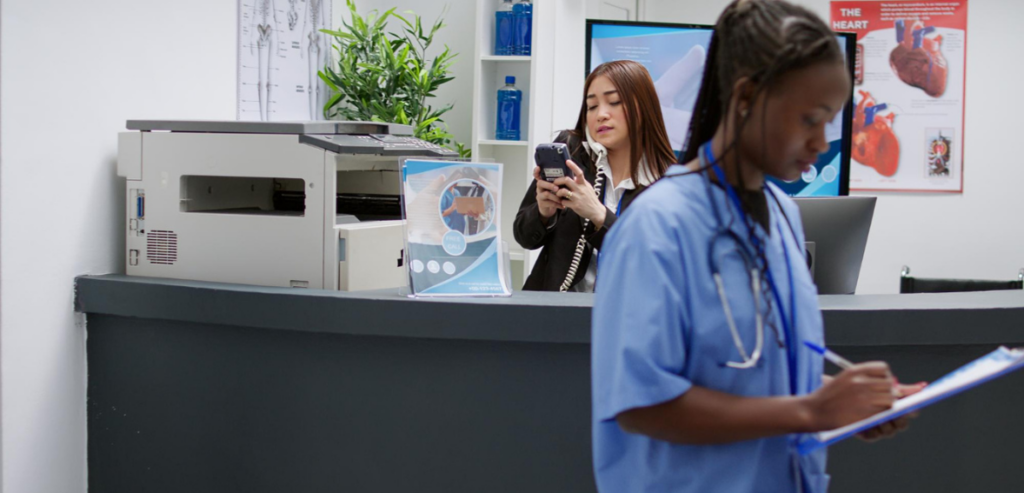
Supporting Front Desk Staff and Reducing Burnout
Front desk roles are demanding, with high emotional labour and constant multitasking. Without adequate tools, staff burnout becomes a serious concern. Medical practice tech supports staff well being by simplifying workflows and reducing unnecessary stress.
Digital front desk tools minimise repetitive tasks and provide clear process guidance. This reduces cognitive overload and helps staff stay focused during busy shifts. When systems work reliably, staff are better able to manage patient interactions calmly and professionally. Investing in technology also signals organisational commitment to staff support. This improves morale and retention, which are critical for maintaining consistent front desk operations. Over time, empowered staff contribute to a healthier workplace and better patient care.
Integrating Front Desk Tools With Clinical Systems
Isolated tools can create more problems than they solve. Effective front desk technology works best when integrated with clinical and administrative systems. Clinic automation software connects scheduling, registration, billing, and electronic health records into a cohesive ecosystem.
Integration ensures information flows smoothly across departments, reducing handoff errors and delays. Front desk staff gain a holistic view of patient journeys, allowing them to answer questions accurately and coordinate care effectively. Medical practice tech creates alignment between administrative and clinical teams. This connected approach improves decision making and operational efficiency. When systems communicate seamlessly, front desk operations become a source of stability rather than friction within healthcare organisations.
Measuring Performance and Continuous Improvement
Digital tools also provide valuable data that was previously difficult to capture. Metrics such as wait times, no show rates, and patient feedback help clinics identify bottlenecks and areas for improvement. Digital front desk tools generate insights that support evidence based operational decisions.
Clinic automation software allows managers to monitor performance trends and adjust staffing or processes accordingly. Front desk teams benefit from clearer expectations and data driven feedback that supports growth rather than criticism. Continuous improvement becomes more achievable when performance is visible and measurable. Technology transforms the front desk from a reactive function into a proactive contributor to healthcare quality and efficiency.
Role of Analytics and Reporting in Front Desk Efficiency
As front desk operations become increasingly digital, analytics and reporting tools are emerging as quiet enablers of efficiency. While staff focus on daily interactions, behind the scenes data is being collected on appointment flow, wait times, patient arrivals, and task completion. Digital front desk tools convert this operational data into clear insights that help clinics understand where friction exists and how processes can be improved.
Clinic automation software allows administrators to track performance without relying on manual observation or anecdotal feedback. Trends such as peak arrival times, frequent appointment cancellations, or registration delays become visible through dashboards and reports. This information helps clinics adjust staffing levels, refine workflows, and plan schedules more realistically. For front desk teams, data backed changes feel fairer and more structured, reducing frustration caused by reactive decision making.
Medical practice tech also supports long term planning by highlighting patterns that affect patient experience and revenue. When front desk performance is measured objectively, improvements can be made systematically rather than through trial and error. Analytics transform daily administrative work into an informed process that evolves with patient demand and operational capacity.
Front Desk Technology in Multi Location and Group Practices
Managing front desk operations becomes significantly more complex when healthcare organisations expand beyond a single location. Each site may have different patient volumes, staff availability, and scheduling needs. Digital front desk tools help standardise processes while still allowing flexibility for local requirements, which is essential for multi location clinics and group practices.
Clinic automation software enables centralised oversight of appointments, registrations, and billing across multiple facilities. Front desk staff can access shared patient records and schedules, making it easier to coordinate care between locations. Medical practice tech ensures that updates made at one site are reflected across the system, reducing confusion and duplicated work.
For patients, this consistency means smoother experiences when visiting different branches of the same practice. For administrators, it simplifies training and operational control. Front desk teams benefit from uniform systems that reduce learning curves and errors. As healthcare organisations grow, scalable front desk technology becomes critical to maintaining quality and efficiency across locations.
Enhancing Accessibility and Inclusivity Through Digital Tools
Front desk interactions play a major role in determining how accessible and inclusive a healthcare facility feels. Language barriers, mobility challenges, and differing levels of digital familiarity can create unintentional obstacles for patients. Digital front desk tools help address these challenges by offering flexible and supportive interaction options.
Self check in systems can be designed with clear interfaces, multilingual support, and adjustable text sizes to accommodate different patient needs. Medical practice tech also enables alternative communication methods, allowing patients to receive instructions and reminders in formats that suit them best. This reduces dependence on verbal explanations alone and improves understanding.
Clinic automation software supports staff by presenting information clearly and consistently, helping them respond more confidently to diverse patient needs. When accessibility is built into front desk systems, inclusivity becomes part of daily operations rather than an added responsibility. These improvements not only enhance patient comfort but also demonstrate a commitment to equitable care at every point of contact.
Preparing Front Desk Operations for Future Healthcare Demands
Healthcare delivery continues to evolve rapidly, driven by changing patient expectations, regulatory requirements, and technological advancement. Front desk operations must be prepared to adapt to these shifts without disrupting care. Digital front desk tools provide the flexibility needed to respond to future demands efficiently and sustainably.
Medical practice tech supports evolving models such as telehealth integration, hybrid appointments, and remote registration processes. As patient journeys become more complex, front desk systems must coordinate both in person and virtual interactions seamlessly. Clinic automation software ensures new services can be incorporated into existing workflows without excessive retraining or manual adjustments.
Future readiness also involves scalability and adaptability. Digital tools allow healthcare organisations to expand services, adjust policies, and respond to external changes with minimal operational disruption. Front desk teams benefit from systems that evolve with practice needs rather than becoming outdated. By investing in adaptable technology, healthcare providers position their front desk operations as resilient, responsive, and ready for what comes next.
Conclusion: Building the Future of Front Desk Operations
The front desk is no longer just an administrative entry point. It is a central pillar of patient experience, operational efficiency, and organisational credibility. Digital front desk tools empower healthcare providers to transform this critical function by reducing manual work, improving accuracy, and supporting staff performance. Through clinic automation software and broader medical practice tech solutions, healthcare organisations can create front desk operations that are responsive, secure, and patient focused.
These tools not only address today’s challenges but also prepare clinics for future demands. When technology and human effort work together, the front desk becomes a source of strength rather than strain, benefiting patients, staff, and providers alike.