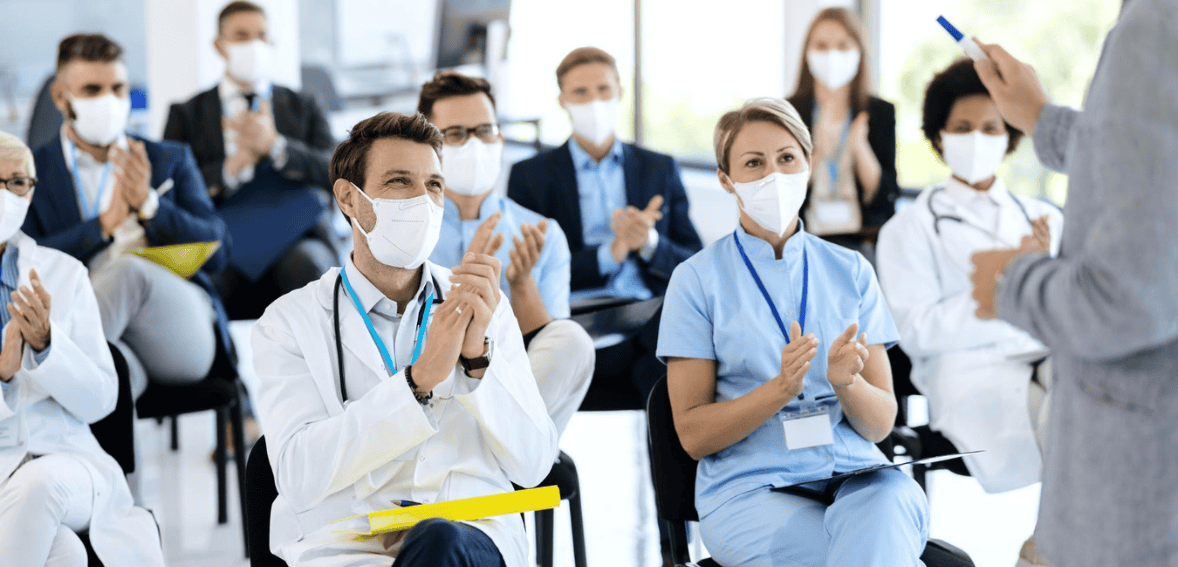
How Healthcare Staff Training and Skill Development Improve Clinical Operations
Healthcare systems today operate in an environment of constant pressure. Clinics are expected to deliver high quality patient care while managing tight schedules, complex regulations, evolving technology, and rising patient expectations. In this demanding context, smooth clinical operations are not achieved by infrastructure alone. They rely heavily on the people who deliver care every day. When staff are well trained and continuously supported in developing their skills, clinics function more efficiently and patients experience better outcomes.
Training is often viewed as an administrative requirement or a one time onboarding activity, but in reality it is a powerful operational tool. Ongoing healthcare staff training strengthens clinical workflows, improves communication, reduces errors, and builds confidence across teams. Skill development enables medical professionals to adapt to change rather than struggle against it. When training and operations are aligned, clinics gain the stability and flexibility needed to perform consistently even under pressure.
Understanding Clinical Operations and Their Dependencies
Clinical operations involve all activities from the time a patient books an appointment to the end of the care process. This includes patient registration, diagnosis, treatment, documentation, and following up. All these activities rely on the efforts of individuals carrying out their tasks in the most effective manner. Even the most sophisticated system cannot make up for a lack of expertise and clarity in processes.
Improving clinic operations is directly linked to the effectiveness of staff understanding their tasks and performing them with confidence. When staff are not trained, small inefficiencies lead to delays, mistakes, and dissatisfaction for both patients and healthcare providers. Well-structured training programs enable efficiency in operations while also providing flexibility to make room for professional judgment.
Why Training Matters More Than Technology Alone
Technology plays an important role in modern healthcare, but its effectiveness depends entirely on how well it is used. Electronic health records, diagnostic tools, and scheduling systems can streamline operations only when staff understand how to navigate them properly. Without adequate healthcare staff training, technology can become a source of confusion rather than efficiency.
Skill development ensures that technology supports clinical goals instead of disrupting them. Medical team development programs that integrate technical training with practical application help staff use tools confidently and accurately. As a result, documentation improves, communication becomes clearer, and fewer resources are wasted correcting avoidable mistakes. Training transforms technology into a true enabler of clinic operations improvement rather than an added burden.
The Role of Training in Reducing Operational Errors
The operational mistakes that occur in clinics can be attributed to a lack of clarity in procedures, inconsistencies, and unfamiliarity with procedures. These mistakes may not always pose an immediate threat but are still sources of danger and inefficiency. These include improper recording, failure to communicate, or delays in treatment resulting from a lack of understanding.
Employee training in the healthcare sector directly relates to these issues by emphasizing proper procedures and creating consistency among employees. By providing continuous updates and training, employees develop habits that promote accuracy. Development of a medical team based on real-life situations enables employees to identify possible mistakes before they happen.
Improving Patient Flow Through Skill Development
Patient flow is one of the most visible indicators of operational health in a clinic. Delays in registration, diagnostics, or treatment not only frustrate patients but also strain staff and reduce capacity. Improving patient flow requires coordination between multiple roles, from front desk staff to clinicians and support teams.
Training plays a critical role in aligning these functions. Healthcare staff training that emphasizes coordination, time management, and clear communication helps teams move patients through the system more smoothly. Clinic operations improvement becomes achievable when staff understand how their individual actions affect the entire workflow. Skill development ensures that transitions between care stages are efficient and predictable, leading to shorter wait times and better patient experiences.
Enhancing Communication Across Clinical Teams
Effective communication is a crucial factor for the safe and efficient delivery of clinical activities. Communication breakdowns between different departments, lack of clear instructions, or poor handover communication can lead to disruptions in the delivery of care. Such problems are often not the result of poor intentions but poor communication skills.
Medical team development courses that emphasize communication practices, documentation, and teamwork can help address such problems. Training healthcare professionals on effective communication practices can help build trust and understanding among different roles. When healthcare professionals communicate using a common language of practice, there will be better coordination and fewer errors. This will directly help improve clinic operations.
Training as a Tool for Compliance and Risk Management
Healthcare clinics must adhere to strict regulations and professional standards. Noncompliance can result in financial penalties, reputational damage, or compromised patient safety. Keeping up with changing requirements is challenging, especially in fast paced environments.
Regular healthcare staff training ensures that teams are aware of current guidelines and understand how to apply them in daily practice. Medical team development that includes compliance education reinforces proper documentation, consent processes, and safety protocols. By embedding regulatory knowledge into routine operations, clinics reduce risk while maintaining efficiency. Training becomes a preventive measure that protects both patients and the organization.
Supporting Clinical Decision Making Through Skill Development
Clinical decision making requires not only medical knowledge but also confidence and experience. Inadequate training can leave staff uncertain, leading to delays or overreliance on senior clinicians. This bottleneck affects workflow and increases pressure on leadership.
Medical team development strengthens decision making by providing structured learning and mentorship. Healthcare staff training that includes case discussions and simulation builds confidence and judgment. When clinicians feel supported in developing their skills, they act decisively and appropriately. This autonomy contributes to clinic operations improvement by reducing unnecessary escalation and improving response times.
Adapting to Change in Healthcare Environments
The healthcare sector is always undergoing changes because of new developments, technologies, and demands from patients. Those clinics that fail to adapt to the changes end up experiencing instability in their operations. Training offers a platform to withstand changes without any interruptions. By offering training to healthcare personnel, clinics can implement new procedures in a controlled manner. Building skills equips the staff to handle changes without any resistance. Development of the medical team to be adaptable helps the staff to view changes as part of their professional development.
Building Confidence and Morale Through Training
Staff morale has a direct impact on operational performance. When employees feel unprepared or undervalued, engagement declines and turnover increases. High turnover disrupts workflows and increases training costs, creating a cycle of instability.
Healthcare staff training demonstrates investment in people and professional growth. Medical team development builds confidence and job satisfaction by equipping staff with the skills they need to succeed. Confident teams communicate better, manage workloads more effectively, and support each other during busy periods. This positive environment enhances clinic operations improvement by fostering consistency and commitment.
Training for Multidisciplinary Collaboration
Contemporary medical practice may include multidisciplinary team collaboration to address the needs of patients. Multidisciplinary team collaboration can be made effective by understanding roles and responsibilities. Multidisciplinary collaboration without training can result in confusion and inefficiency.
Medical team development initiatives that involve multiple disciplines can improve collaboration. Training medical staff on team practice can help them understand how their efforts contribute to the larger process. This can eliminate duplication of efforts and make coordination more effective. As a result, improving the operations of the clinic becomes possible through team effort.
Operational Efficiency Through Standardized Training
Standardization is essential for consistent quality in clinical operations. Without clear standards, practices vary between individuals and shifts, leading to unpredictable outcomes. Training provides the structure needed to align behaviors and expectations.
Healthcare staff training that emphasizes standardized procedures improves reliability and speed. Medical team development ensures that all staff follow the same operational playbook while maintaining flexibility for patient specific decisions. Standardization reduces onboarding time for new employees and stabilizes workflows. This consistency is a key driver of clinic operations improvement.
Measuring the Impact of Training on Operations
To realize the full benefits of training, clinics must measure its impact. Metrics such as patient wait times, error rates, staff turnover, and satisfaction provide insight into operational health. Training programs that are evaluated and refined based on data deliver stronger results.
Healthcare staff training aligned with operational goals allows clinics to track improvements over time. Medical team development becomes more effective when feedback informs content and delivery. By linking training outcomes to clinic operations improvement metrics, leaders can justify investment and continuously enhance program effectiveness.
Training as a Long Term Investment in Sustainability
While short-term solutions may be used to solve short-term problems, long-term solutions for improvement lie in investing in people. This is because training helps to create institutional knowledge that is not affected even when technology and processes change.
Healthcare staff training is one of the ways that help in ensuring sustainability. This is because medical team development helps to ensure that skills are updated based on the needs of patients as well as industry standards. Clinics that invest in training are able to create a platform for improving clinic operations.

Leadership’s Role in Supporting Training Initiatives
Leadership plays a crucial role in integrating training into daily operations. When leaders prioritize skill development, training becomes part of the clinic culture rather than a separate activity. Visible support from leadership encourages participation and reinforces its importance.
By aligning healthcare staff training with strategic goals, leaders ensure that learning translates into action. Medical team development supported by leadership fosters accountability and engagement. Strong leadership commitment amplifies the impact of training and accelerates clinic operations improvement across all levels.
Using Training to Improve Scheduling and Resource Utilization
Efficient scheduling and optimal use of clinical resources are central to smooth daily operations. Poor scheduling leads to idle time, overcrowded waiting areas, and staff fatigue, all of which negatively affect patient care. Many of these issues arise not from system limitations but from inconsistent application of scheduling practices and lack of operational awareness among staff.
Targeted training helps teams understand how scheduling decisions affect the broader clinical workflow. When staff are trained to anticipate appointment durations, prepare rooms in advance, and coordinate handoffs effectively, resources are used more efficiently. Skill development in workflow planning allows clinics to balance patient demand with available personnel and space, reducing bottlenecks throughout the day.
Over time, trained teams develop a shared rhythm that supports predictable operations. This consistency improves throughput without rushing care or overloading staff. By embedding scheduling awareness into everyday practices, clinics strengthen operational stability and create a more organized, less stressful environment for both patients and healthcare professionals.
Strengthening Onboarding to Protect Operational Continuity
New hires bring fresh capability to a clinic, but poor onboarding can disrupt established workflows. When new staff are unclear about procedures or expectations, existing team members must compensate, increasing workload and operational strain. Effective onboarding is therefore a critical element of operational continuity.
Structured onboarding programs that focus on both clinical skills and operational processes help new employees integrate quickly. Early exposure to standard workflows, communication norms, and documentation practices reduces errors and accelerates competence. Skill development during onboarding builds confidence and minimizes the learning curve that often affects productivity.
Strong onboarding also reduces turnover by setting clear expectations and providing early support. When new staff feel prepared and supported, they are more likely to engage positively and contribute consistently. This stability protects day to day operations and ensures that staffing changes do not disrupt patient care or workflow reliability.
Training to Support Quality Improvement Initiatives
Quality improvement efforts often fail when staff are unclear about their role in the process. Initiatives may be introduced with good intent but limited follow through if teams are not trained to apply them in practice. Training bridges the gap between improvement goals and daily execution.
When staff receive training that explains why improvements are needed and how changes affect patient care, engagement increases. Skill development focused on data interpretation and process evaluation empowers teams to participate actively in improvement efforts. Instead of viewing quality initiatives as extra work, staff begin to see them as part of routine care delivery.
This alignment strengthens accountability and consistency. Clinics that combine training with quality improvement initiatives experience smoother implementation and more sustainable results. Over time, teams become comfortable reviewing outcomes and adjusting practices, creating a continuous improvement mindset that enhances operational performance across the clinic.
Preparing Clinics for Crisis Response Through Training
Unexpected events such as staffing shortages, system outages, or sudden increases in patient volume can disrupt clinical operations quickly. Clinics that lack preparation often rely on improvised responses, which can lead to confusion and compromised care. Training plays a critical role in building readiness for such situations.
Preparedness training helps staff understand their responsibilities during disruptions and practice coordinated responses. Skill development focused on scenario based learning strengthens decision making under pressure. When teams have rehearsed responses, they act with confidence and clarity rather than hesitation.
This readiness reduces the operational shock of emergencies and supports patient safety. Clinics that invest in crisis preparedness training maintain greater control during challenging situations. By embedding readiness into everyday learning, organizations ensure that operational stability can be preserved even when conditions change unexpectedly.
Conclusion
Training and skill development are fundamental to improving clinical operations in any healthcare setting. From enhancing patient flow and communication to supporting compliance and decision making, well designed training programs strengthen every aspect of clinic performance. Healthcare staff training is not an optional expense but a strategic investment that enables clinics to operate effectively under pressure.
When medical team development is continuous and aligned with operational goals, clinics gain resilience and adaptability. Clinic operations improvement becomes a natural outcome of confident, capable teams working together. In a healthcare landscape defined by complexity and change, training remains one of the most powerful tools for delivering consistent, high quality care.